
Welcome to My Dracula Site!
Learn about vampires and the most famous vampire, Count Dracula!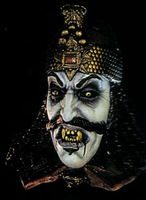 Perhaps the most famous vampire of all times was Count Dracula. Many movies have used his character, but the novel, written by Bram Stoker, in 1897, played a very important role in his career as a well known vampire. The name of the book was “Dracula” and many say that this is the birth of the legend of the famous Count Dracula. Bram Stoker’s character in the Dracula novel, was compared to one of the best-known figures of the Romanian history – Vlad Dracula, nicknamed Vlad Tepes (Vlad the Impaler).
The vampire is truly a global creature, with myths related to the dead which rise to drink the blood of the living coming out of cultures all around the world. The victims of a vampire either dies or becomes a vampire. Vampires could also be made in a variety of ways: a child born under certain omens, a cat or other animal jumping over a dead body, someone who committed suicide, and practicing witchcraft are some activities thought to be the cause of vampirism. In order to protect yourself from a vampire, there are a few things that can be helpful: garlic, silver cross, sunlight or fire, cross or crucifix, holy water, mountain ash (rowan). It is believed that it is possible to become a vampire if: you are born the 7th son of the 7th son, if a dead body has been reflected in a mirror or a child who dies unbaptized (known as “moroi”).
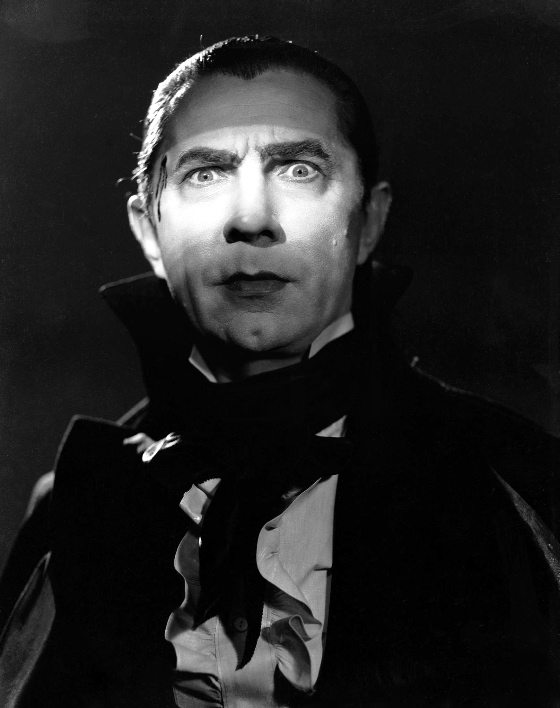
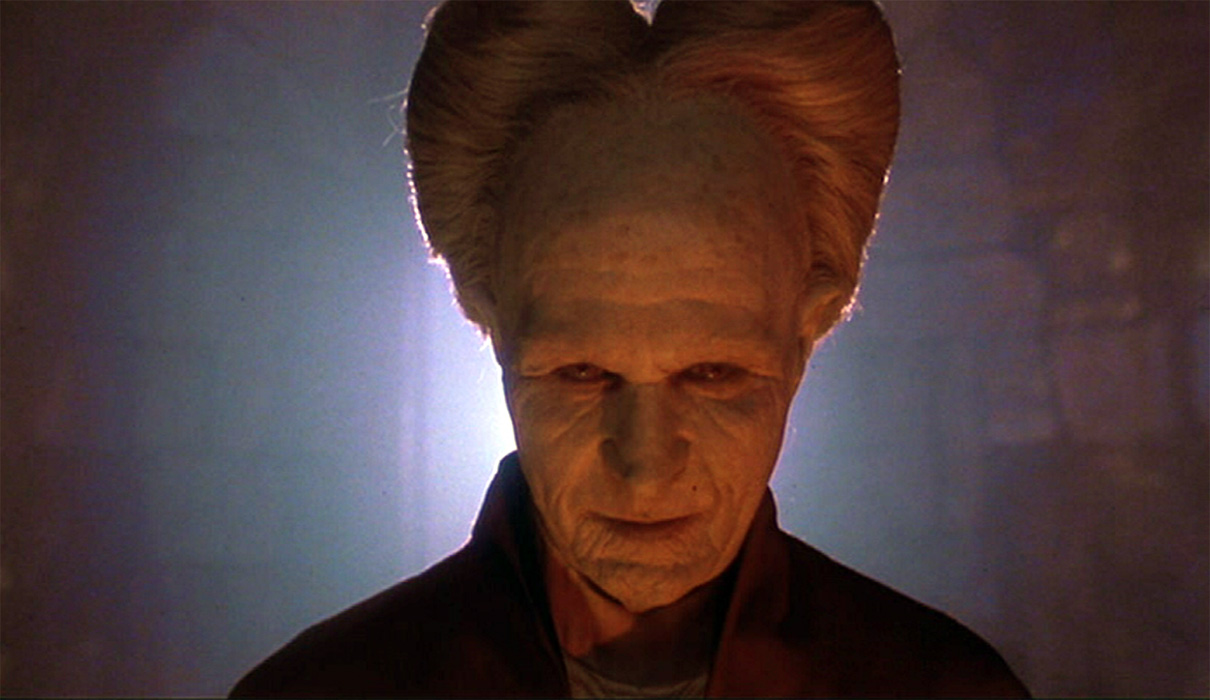
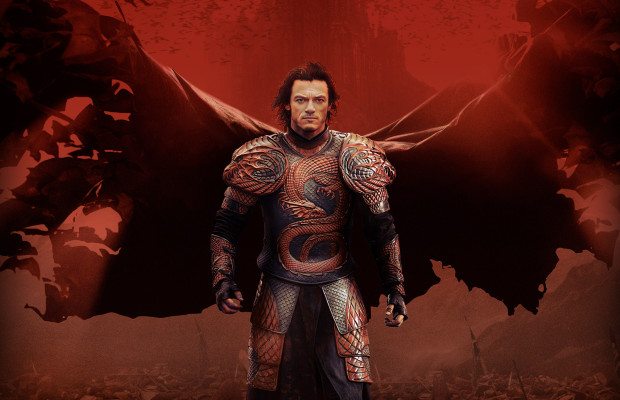
Vampires are usually “night people” on a biochemical level. They have inverted circadian rhythms, with body cycles such as temperature peaks, menstrual onset, and the production of sleep hormones in the brain occurring at the opposite time of day from most people. They have
difficulty adjusting to daytime schedules and frequently work nights. They tend to be photosensitive, avoiding sunlight, sun burning easily, and having excellent night vision. Their vitality ranges widely, and they can be vigorous and active one day, depressed and languorous the next.
There have been many recent movies about vampires: “Dracula” (“Bram Stoker’s Dracula” – complete title), directed by Francis Ford Coppola made from the legend of count Dracula a modern masterpiece, “Interview with the Vampire: The Vampire Chronicles” starring Tom Cruise, Brad Pitt, Kirsten Dunst and Antonio Banderas, is another impressive movie, “Buffy the Vampire Slayer” series, starring Sarah Michelle Gellar has been a real success.
The stories of vampires date back to thousands of years ago. Each country has its own spin on the legend of the vampire.
Enjoy exploring the site, we have stories, locations, and history to discover!
Dracula / Vlad the Impaler Photo Gallery
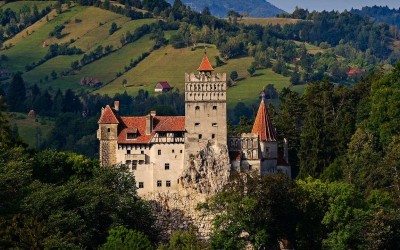
Dracula’s Real Castle
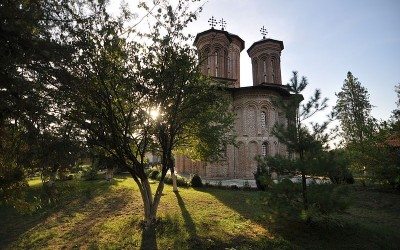
Dracula’s Tomb
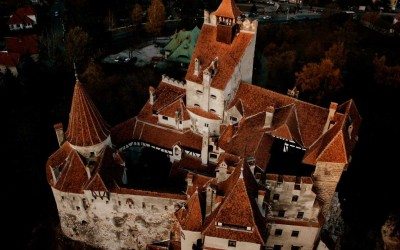
Dracula’s Castle
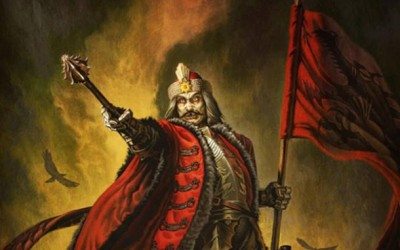
Dracula Pictures
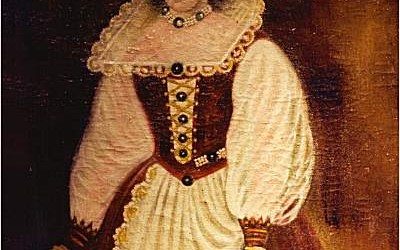
Dracula Historical Items
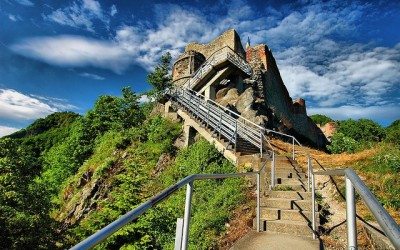
Poenari Castle
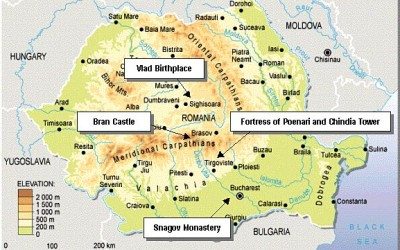
Maps Related to Dracula
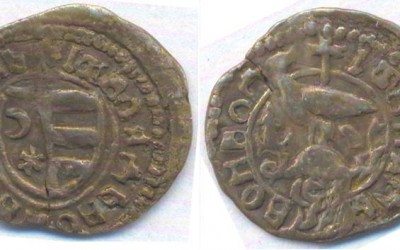
Family Items of Vlad Tepes
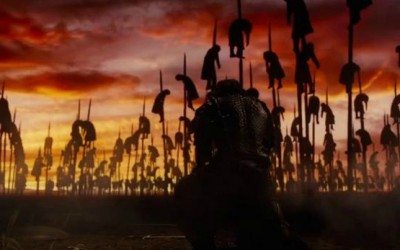
Atrocities

Bram Stoker
Old German Stories About Dracula
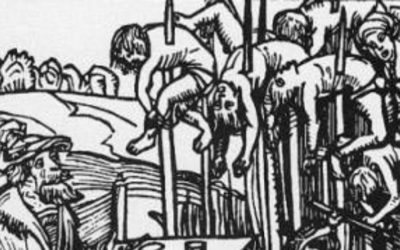
The Lazy Woman
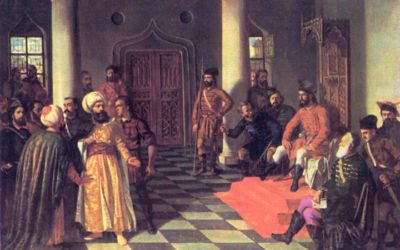
The Polish Nobleman
The Foreign Merchant
The Foreign Ambassadors
The Two Monks
Dracula’s Mistress
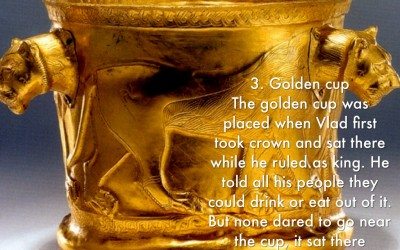
The Golden Cup
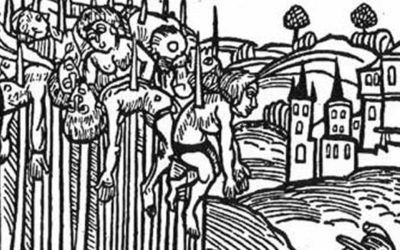
The Priest
Some other cool sites we like:
Tales of a Priest – World of Warcraft guide to playing a priest character.
Battle vampires and other monsters in the free D&D campaigns available at DnDAdventure.com.
Travel Romania and Follow Vlad Tepes!
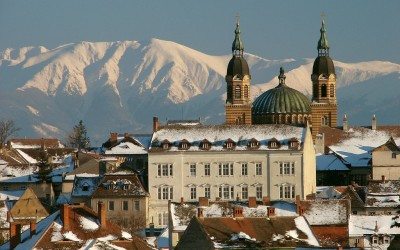
Sibiu
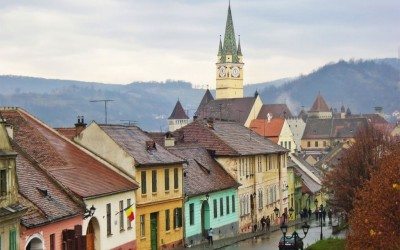
Medias
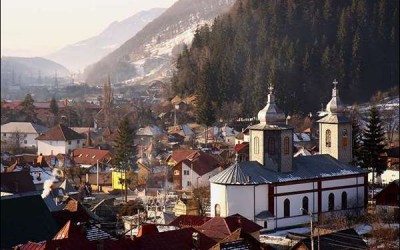
Rucar
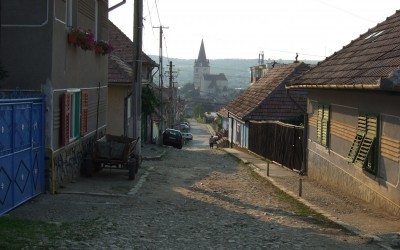
Cisnadie
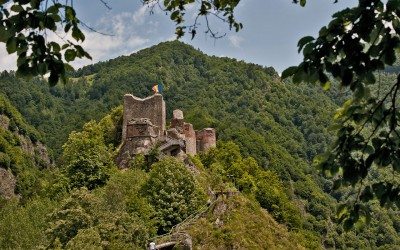
Poenari
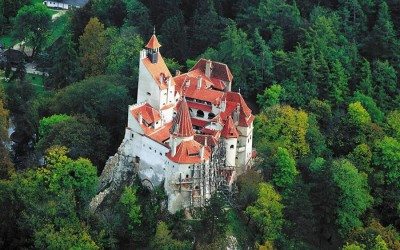
Fagaras
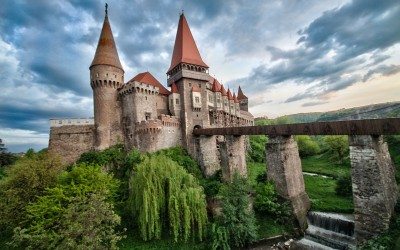
Hunedoara
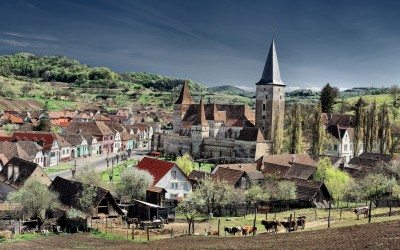
Travel in Romania
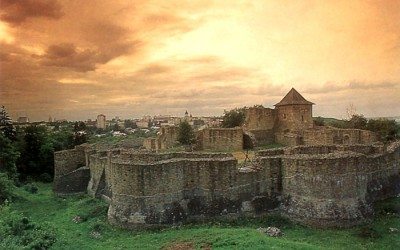
Suceava

Snagov
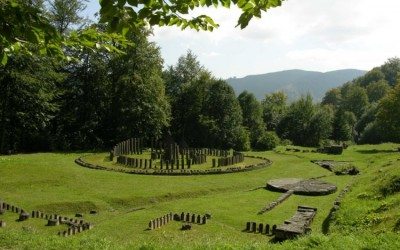
Geoagiu
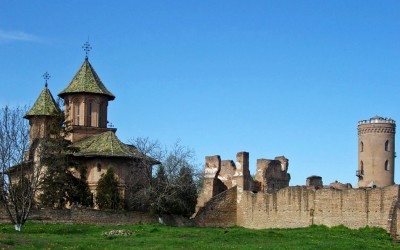
Targoviste
Hi, thanks for visiting My Dracula website! Please use our contact form for any questions or comments!
https://en.wikipedia.org/wiki/Vlad_the_Impaler – Wikipedia entry for Vlad the Impaler
https://www.livescience.com/40843-real-dracula-vlad-the-impaler.html – facts about the real Dracula from LiveScience.
Check out CultSirens for profiles of actresses starring in horror and cult movies. Read about Elvira here!